What You Should Know About Moroccan People
Morocco is a land of vibrant culture, warm hospitality, and rich traditions. Understanding its people can turn a simple visit into a truly unforgettable experience. This Moroccan people guide will help you connect with locals, appreciate their customs, and make the most of your journey best Morocco travel.
Moroccan Culture and Traditions
Moroccans are famed for their warmth and generosity, making the country a vibrant cultural crossroads. The population is a rich tapestry of Arabs, Berbers (Amazigh), and Sahrawis, each contributing unique traditions, languages, and values.
- Arabs (≈67%): Shaped Moroccan Arabic (Darija), cuisine, and Islamic traditions since the 7th century.
- Berbers (≈31%): Indigenous people with a history of over 5,000 years, particularly in the Atlas Mountains and Sahara regions. Their music, crafts, and languages like Tamazight, Tashelhit, and Tarifit are integral to Moroccan life.
- Sahrawis: A smaller group adding depth to Morocco cultural landscape.
Arabic and Berber are official languages, French is widely used, and English is growing, especially in urban centers. Learning a few local phrases like Salam, Shukran, or Azul helps you connect deeply with locals Moroccan Culture is where tradition meets modernity: artisans selling handcrafted rugs and pottery stand alongside contemporary shops and cafes, creating a fascinating cultural fusion.
Moroccan Hospitality Tips
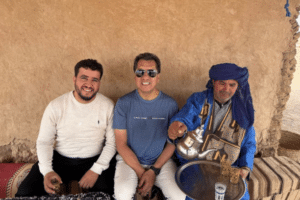
One of the most memorable aspects of Moroccan culture is its legendary hospitality. Visitors are often welcomed with communal meals, shared tagines, couscous, and sweet mint tea. Simple gestures like these can enrich your Morocco travel experience.
Moroccan hospitality tips include:
- Always accept tea or a small snack when offered.
- Show appreciation for food; declining too quickly can seem impolite.
- Respect elders and family customs, including removing shoes indoors.
- Small gifts like tea or sweets are often appreciated.
Travel Etiquette in Morocco
Proper travel etiquette in Morocco ensures a respectful and immersive experience:
- Greetings: Say Salaam Alykum and reply with Wa Alykum Salaam.
- Dress modestly: Cover shoulders and knees; women should carry a scarf for mosque visits.
- Mealtime customs: Wash hands, wait for bismillah, and eat with your right hand.
- Tea rituals: Accept multiple refills of mint tea graciously.
- Photography: Always ask before taking pictures of people, homes, or officials.
Following these norms shows respect and enriches your Moroccan adventure.
Religion and Daily Life
Nearly all Moroccans are Sunni Muslims. Prayer calls mark daily life, and Ramadan is widely observed joining locals for an iftar meal offers a truly immersive experience. Halal dining excludes pork and public alcohol, while traditional dishes like tagine, couscous, and mint tea remain cultural staples.
Exploring Morocco Rich Ethnic Diversity
Traveling across Morocco Trips you’ll encounter Arabs, Berbers, and Sahrawis, each offering a glimpse into centuries of history and heritage. This cultural tapestry is visible in festivals, music, language, and daily life, giving travelers a unique chance to experience Moroccan culture and traditions firsthand.
Shared Dining and Hospitality
Meals in Morocco Tours are often communal. Guests gather around a shared dish, eating with the right hand after saying bismillah. This reinforces unity and tradition, essential aspects of Moroccan cultural tours. Warm welcomes with mint tea, polite participation in meals, and appreciation for customs help you forge meaningful connections.
Best Places to Visit in Morocco
- Marrakech – Explore Jemaa el‑Fnaa, souks, Bahia Palace, Koutoubia Mosque, and Jardin Majorelle.
- Chefchaouen – The Blue Pearl – Wander blue-painted streets, sip mint tea, and enjoy panoramic sunset views.
- Fes – Cultural & Spiritual Heart – Visit Fes el‑Bali, historic madrasas, and Chouara Tanneries.
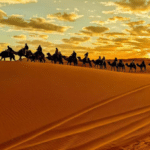
- Sahara Desert – Merzouga & Erg Chebbi – Camel trek, desert camp under stars, optional 4×4 or sandboarding adventures.
- Essaouira – Coastal Charm – Relax at the port, browse crafts, and enjoy seafood.
- Aït Ben Haddou & Ouarzazate – Film Set Wonders – UNESCO mud‑brick village and Atlas Studios.
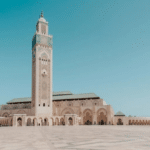
- Rabat – Royal & Relaxed – Explore historic Kasbah, Hassan Tower, and gardens.
- Tangier – Gateway Between Continents – Visit the medina, Kasbah, and Caves of Hercules.
- Atlas Mountains & Gorges – Trek Ourika Valley, Toubkal, and Dades/Todgha gorges.
- Agadir & Taghazout – Surf & Sun – Enjoy beaches, golf, and water sports.
Optimizing Your Morocco Itinerary
- Combine city and nature: Marrakech, a desert night, and Atlas Mountain hikes.
- Include diverse excursions: Sahara trek, Essaouira, and Chefchaouen.
- Best travel periods: Spring (March–May) and autumn (September–November).
Conclusion
Morocco allure lies in its blend of vibrant cultures, scenic diversity, and genuine hospitality. From mint tea rituals to communal tagine dinners, every moment reveals the essence of Moroccan life Following this Moroccan people guide, respecting travel etiquette in Morocco, and embracing Moroccan hospitality tips ensures your journey is immersive, memorable, and authentic Ready to explore Morocco authentically? Contact Morocco Official Tours for personalized itineraries, expert guides, and 24/7 support to make your adventure unforgettable.